

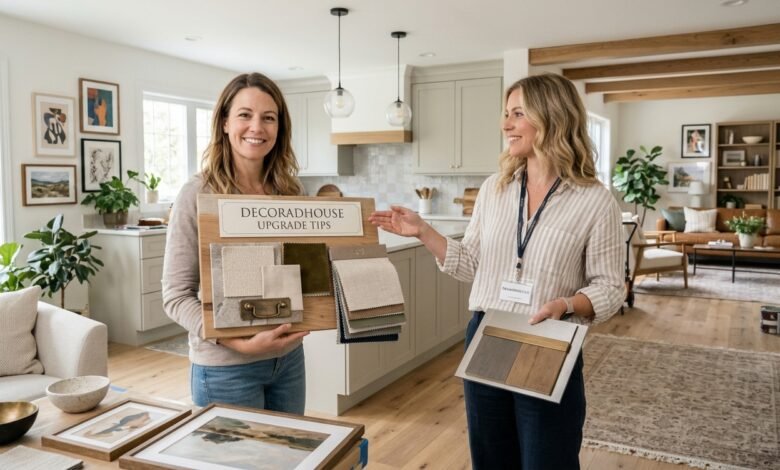
Decoradhouse upgrade tips by decoratoradvice Your home should be more than a place where you sleep, eat, and relax. It should reflect your personality, support your daily routine, and provide a comfortable environment for everyone who lives there. Fortunately, creating a beautiful home does not always require expensive furniture, professional designers, or a complete renovation.
Decoradhouse upgrade tips by DecoratorAdvice focus on practical ways to improve your living space through thoughtful decorating, better organization, smarter lighting, and affordable improvements. The central idea is simple: small changes can make a noticeable difference when you plan them carefully.
Whether you live in a compact apartment, a family house, or a rental property, you can use these principles to create a more attractive and functional environment.decoradhouse upgrade tips by decoratoradvice You do not have to change everything at once. Sometimes, rearranging furniture, refreshing a wall, or introducing better lighting is enough to give a tired room a completely different atmosphere.
In this guide, we will explore practical home decoradhouse upgrade tips by decoratoradvice ideas, explain how to prioritize projects, and discuss ways to improve individual rooms without overspending. You will also discover common decorating mistakes, maintenance considerations, and strategies for making your improvements last.
1. What Are Decoradhouse Upgrade Tips by DecoratorAdvice?
Decoradhouse upgrade tips by DecoratorAdvice describe a practical approach to refreshing and improving residential spaces. Rather than concentrating exclusively on expensive renovations, this approach emphasizes accessible changes that improve appearance, comfort, organization, and everyday usability.
A home decoradhouse upgrade tips by decoratoradvice can involve something as simple as replacing outdated cabinet handles or as substantial as redesigning a kitchen. The important consideration is whether the change solves a problem or makes the space more enjoyable to use. Decorative improvements are most successful when they serve a clear purpose.
For example, a living room might look crowded because its furniture is too large for the available floor area. Buying additional decorations will not solve that problem. Rearranging the furniture, removing unnecessary items, and introducing suitable storage may produce a much better result without requiring a major purchase.
Another important principle is personalization. decoradhouse upgrade tips by decoratoradvice Your home should not look like an exact copy of a showroom or an interior design photograph. Those images can provide inspiration, but your own preferences, routines, household size, and budget should determine the final decisions.
These decoradhouse upgrade tips by decoratoradvice principles also work for renters. Removable wallpaper, attractive curtains, freestanding shelving, decorative lamps, and washable rugs can refresh a room without making permanent alterations. However, you should always check your rental agreement before changing fixtures or applying materials to walls.
Ultimately, the goal is to create a home that looks intentional and functions efficiently. You can achieve this by combining practical improvements with a consistent design style instead of purchasing random decorative items.
2. Start With a Clear Home Improvement Plan
Before buying paint, furniture, lighting, or accessories, take time to understand what your home actually needs. Planning helps prevent unnecessary purchases and reduces the risk of starting several projects without completing them.
Begin by walking through every room and observing how you use the space. Notice areas that feel dark, corners that collect clutter, furniture that blocks movement, and storage spaces that no longer meet your needs. Write down the problems instead of immediately searching for products to purchase.
Next, separate essential repairs from cosmetic improvements.decoradhouse upgrade tips by decoratoradvice A leaking pipe, damaged electrical outlet, persistent moisture problem, or loose stair railing deserves attention before new cushions or decorative wall art. Addressing functional and safety concerns first protects your home and prevents avoidable expenses later.
Once you have identified the main issues, rank potential projects according to their cost, importance, and expected impact. A fresh coat of paint might be affordable and highly noticeable, while replacing an entire floor could require more money and planning. Choosing priorities makes the process easier to manage.
Create a realistic budget for each project. Include the cost of materials, tools, delivery, labor, and any preparation work. Keeping a contingency reserve is also sensible because older homes sometimes reveal unexpected problems once work begins.
Finally, establish a reasonable timeline. decoradhouse upgrade tips by decoratoradvice You might refresh a bedroom over one weekend and tackle a kitchen improvement the following month. Completing one manageable project before moving to another helps you maintain momentum and evaluate what works best for your home.
3. Refresh Your Walls With Thoughtful Colors and Finishes
Walls influence the overall atmosphere of a room more than many people realize. Their color affects how furniture, flooring, artwork, and natural light appear. Consequently, updating your walls can be one of the most effective ways to refresh an interior without replacing everything inside it.
Start by considering the room’s existing features. decoradhouse upgrade tips by decoratoradvice Look at the flooring, large furniture pieces, window direction, and amount of natural light. A paint color that looks warm and inviting in a bright showroom might appear much darker in a small bedroom with limited daylight.
Neutral colors offer flexibility because they work with many decorating styles. Warm white, soft beige, muted gray, and gentle earthy shades can create a calm foundation. decoradhouse upgrade tips by decoratoradvice However, neutral does not have to mean boring. Interesting textures, artwork, wood finishes, and carefully chosen accessories can add plenty of character.
Accent walls can also introduce personality without overwhelming a room. A deeper shade behind a bed, sofa, or desk creates a focal point and gives the space more visual structure. Before committing, test a small paint sample and observe it at different times of day.
If painting is not practical, consider removable wallpaper, framed prints, fabric wall decorations, or carefully arranged shelves. These options can introduce pattern and depth without requiring a complete redesign. In rental properties, choose products that are suitable for your wall surface and can be removed safely.
Preparation is just as important as color selection.decoradhouse upgrade tips by decoratoradvice Clean the surface, fill suitable small holes, sand rough areas when necessary, and use an appropriate primer. Following the paint manufacturer’s instructions helps produce a smoother finish and improves durability.
4. Improve Lighting for a More Comfortable Interior
Lighting can change how a room looks and feels without requiring new furniture. A poorly lit room may appear smaller, duller, or less welcoming, while a balanced lighting arrangement can highlight architectural details and make everyday tasks easier.
One useful strategy is to combine different types of lighting. Ambient lighting provides general illumination, task lighting supports specific activities, and accent lighting draws attention to artwork, shelves, or decorative features. Using all three where appropriate creates a more flexible environment.
For example, a living room might have a ceiling fixture for general illumination, a floor lamp beside the sofa for reading, and a small lamp near a display shelf.decoradhouse upgrade tips by decoratoradvice Each light serves a different purpose, allowing you to adjust the atmosphere depending on the activity.
Bedroom lighting deserves particular attention because the room should support relaxation. Bedside lamps, dimmable fixtures, and appropriately positioned lights can create a calmer evening environment. Choose lighting that lets you read comfortably without making the entire room unnecessarily bright.
Kitchen lighting should prioritize visibility and safety.V General ceiling lights provide overall illumination, while suitable task lighting helps illuminate countertops and food preparation areas. Any installation near water or cooking equipment must follow the relevant electrical safety requirements.
When choosing bulbs, consider brightness, color temperature, energy consumption, and compatibility with existing fixtures. Warm white lighting often creates a cozy atmosphere, while cooler lighting can be useful for certain work areas. The best choice depends on the room’s purpose and your personal preference.
5. Rearrange Furniture to Make Better Use of Space
Furniture arrangement affects movement, comfort, and the visual balance of a room. Even attractive furniture can make an interior feel awkward when pieces are poorly positioned or block important pathways.
Begin by identifying the room’s main purpose. A living room designed for conversation requires a different arrangement from one primarily used for television viewing. Similarly, a home office needs enough space for comfortable movement, equipment, and focused work.
Next, establish a natural focal point. decoradhouse upgrade tips by decoratoradvice This could be a fireplace, a large window, an artwork, or a television. Arrange nearby furniture so the focal point feels intentional without forcing every piece to face the same direction.
Pay attention to walking paths. People should be able to move between doors, seating, and frequently used areas without squeezing around furniture. If a room feels cramped, try removing one unnecessary item before purchasing anything new.
Rugs can help organize larger rooms or open-plan interiors. decoradhouse upgrade tips by decoratoradvice A correctly sized rug connects seating pieces and visually defines a particular area. A rug that is too small, on the other hand, can make the furniture arrangement appear disconnected.
Finally, experiment before making permanent decisions. decoradhouse upgrade tips by decoratoradvice Move lightweight furniture, test different arrangements, and observe the room from its entrance. Sometimes, a small adjustment to a sofa or table creates more usable space than an expensive replacement would.
6. decoradhouse upgrade tips by decoratoradvice Storage Without Creating More Clutter
A well-organized home is easier to maintain and more pleasant to live in.decoradhouse upgrade tips by decoratoradvice When everyday belongings have designated places, surfaces remain clearer, rooms appear more spacious, and cleaning becomes less time-consuming.
Start by identifying where clutter accumulates. Entryways often collect shoes and bags, kitchens gather small appliances and utensils, and bedrooms can become crowded with clothing or miscellaneous belongings. decoradhouse upgrade tips by decoratoradvice These patterns reveal where better storage would be most useful.
Vertical storage is particularly helpful in small homes. Wall-mounted shelves, tall bookcases, and suitable hanging organizers make use of otherwise unused space. However, shelves should be securely installed and should not obstruct doors, windows, or essential access routes.
Multifunctional furniture offers another practical solution. Storage ottomans, beds with drawers, benches with hidden compartments, and coffee tables with shelves can provide additional storage without requiring separate pieces of furniture.
Closed storage works well for items you use frequently but do not want to display. Open shelves can hold books, plants, and a few meaningful decorative objects. Combining both approaches keeps rooms functional without making every surface look crowded.
Decluttering should happen before you buy organizers.decoradhouse upgrade tips by decoratoradvice There is little benefit in purchasing baskets and containers for items you no longer need. Sort belongings into categories, keep what serves a purpose, and donate or responsibly dispose of suitable unwanted items.
Remember that organization is an ongoing process rather than a one-time project. Choose storage systems that match your daily habits, household needs, and available space. The best system is one you can maintain without constant effort.
7. Give Your Kitchen a Practical, Modern Refresh
The kitchen is one of the busiest areas in a home, so decoradhouse upgrade tips by decoratoradvice should improve both appearance and functionality. A complete renovation may be expensive, but smaller changes can make an existing kitchen feel fresher and more convenient.
Cabinet hardware is an excellent place to start. Replacing worn handles and knobs can modernize cabinets that remain structurally sound. Choose finishes that coordinate with the faucet, lighting, and other visible metal details without forcing every element to match perfectly.
Countertop decoradhouse upgrade tips by decoratoradvicecan also make a significant difference. Keep frequently used cooking tools accessible, but avoid filling every available surface with appliances and decorations. Drawer dividers, wall-mounted rails, and suitable shelves can free valuable preparation space.
Lighting is another effective improvement. Under-cabinet lights illuminate work surfaces and reduce shadows while preparing food. Make sure any electrical products installed near sinks or cooking areas are suitable for their location and installed according to applicable safety requirements.
If the cabinets are in good condition, repainting them may be more economical than replacing them. Proper cleaning, surface preparation, compatible primer, and suitable paint are essential for a durable result. Check whether the material can be painted successfully before starting.
You can also introduce texture through a washable runner, a wooden serving board, or a few attractive storage containers. These details add warmth without sacrificing functionality. Keep textiles away from open flames and other heat sources.
Before choosing a major kitchen decoradhouse upgrade tips by decoratoradvice , consider how you cook and move through the space. Improvements that simplify meal preparation, cleaning, and storage often provide more lasting satisfaction than purely decorative changes.
8. Create a Relaxing and Organized Bedroom
Your bedroom should support rest and comfort while reflecting your personal taste. A successful bedroom decoradhouse upgrade tips by decoratoradvice does not require an expensive bed frame or designer accessories. Often, the most noticeable changes involve lighting, bedding, color, and organization.
Begin with the bed because it usually dominates the room visually. Fresh bedding, coordinated pillow covers, and a comfortable blanket can create a more finished appearance.decoradhouse upgrade tips by decoratoradvice Choose materials that suit your climate, preferences, and laundry routine.
Color selection also matters. Muted greens, soft blues, warm neutrals, and other gentle shades can create a peaceful atmosphere. However, no single palette suits everyone, so select colors that make you feel comfortable rather than following trends automatically.
Improve the lighting arrangement with bedside lamps or other appropriately positioned fixtures. Adjustable lighting is useful when one person wants to read while another is preparing to sleep. Avoid harsh glare and choose suitable brightness for each activity.
Storage should reduce visual clutter without making the room feel crowded. Under-bed containers, organized wardrobes, and compact bedside tables can keep clothing and personal belongings accessible. Leave enough room to open drawers and move comfortably around the bed.
Window treatments can improve privacy and help control incoming light. Blackout curtains may be useful for people who need a darker sleeping environment, while lighter curtains can preserve daylight during the day.decoradhouse upgrade tips by decoratoradvice Choose products that fit the window properly and work with the room’s overall design.
Finally, remove unnecessary items from bedside surfaces and walking areas. decoradhouse upgrade tips by decoratoradvice A small selection of meaningful decorations can add personality, but excessive accessories may make the bedroom feel busy. Aim for a balance between practical storage and a calm visual environment.
9. Make Bathrooms Feel Cleaner and More Inviting
Bathroom decoradhouse upgrade tips by decoratoradvice can improve comfort and appearance without requiring a complete remodeling project. Since bathrooms experience frequent moisture and temperature changes, however, material selection and maintenance are especially important.
Start by examining the condition of the room. Check for leaking taps, damaged sealant, persistent dampness, loose fixtures, and signs of mold. Resolve these issues before adding decorative accessories because surface improvements cannot replace necessary repairs.
A new mirror can refresh the room and improve how light is distributed. decoradhouse upgrade tips by decoratoradvice Choose a size that fits the available wall space and complements the vanity. Appropriate lighting around the mirror also makes everyday tasks such as shaving and applying makeup easier.
Storage helps maintain a clean appearance. Wall shelves, vanity organizers, and baskets can keep toiletries accessible while reducing clutter around the sink. Select moisture-resistant materials and avoid overloading shelves or attaching fixtures insecurely.
Textiles offer a simple way to introduce color and texture. Coordinated towels, a washable bath mat, and a suitable shower curtain can make the room feel more cohesive. Choose materials that dry appropriately and can be cleaned regularly.
Ventilation is essential in a moisture-prone environment. Use an existing exhaust fan where available, follow its maintenance instructions, and address persistent condensation.decoradhouse upgrade tips by decoratoradvice If dampness continues despite reasonable ventilation, investigate the underlying cause rather than covering it with paint or decoration.
For a final touch, introduce a simple color scheme and keep surfaces relatively clear. A small decorative item or suitable plant can add warmth, provided it tolerates the conditions. Practicality should remain the priority in a room that needs frequent cleaning.
10. Add Personality With Textures, Plants, and Accessories
Accessories help transform a functional room into a space that feels personal. decoradhouse upgrade tips by decoratoradvice They introduce color, texture, memories, and visual interest without requiring structural changes or expensive furniture purchases.
Textiles are particularly versatile. Cushions, curtains, blankets, and rugs can soften hard surfaces and create contrast. Mixing linen, cotton, wool, wood, and woven materials adds depth, but keeping a consistent color palette helps prevent the room from feeling chaotic.
Plants can also make an interior feel more welcoming.decoradhouse upgrade tips by decoratoradvice Select varieties according to the available light, humidity, and amount of care you can provide. A plant that thrives near a bright window may struggle in a dark corner, so placement matters more than simply choosing an attractive pot.
Artwork provides another opportunity to express your personality. Rather than filling every wall, select pieces that suit the room’s scale and arrangement. Hang pictures securely, consider the surrounding furniture, and allow enough empty wall space for each piece to remain visible.
Decorative objects work best when they have room to breathe.decoradhouse upgrade tips by decoratoradvice Grouping a few items of different heights can create an interesting display on a shelf or table. Too many small objects, however, can make a surface appear cluttered and increase cleaning time.
Personal possessions can make a room more meaningful. Photographs, travel souvenirs, handmade items, and treasured books often add more character than generic accessories. Display items you genuinely enjoy rather than buying decorations simply because they appear in popular design photographs.
The key is restraint. Introduce new accessories gradually and evaluate how they work with the existing room. decoradhouse upgrade tips by decoratoradvice Thoughtful selection creates a stronger result than filling every empty corner.
11. Improve Your Home’s Energy Efficiency and Everyday Comfort
Home upgrades should not focus on appearance alone. Improvements that reduce energy waste, increase comfort, or simplify maintenance can provide lasting benefits while supporting a more practical lifestyle.
Start with simple measures such as switching to suitable energy-efficient LED lighting, turning off unnecessary lights, and checking for drafts around windows and doors. The actual savings depend on your existing equipment, energy prices, usage patterns, and local climate.
Window coverings can help manage sunlight and privacy. decoradhouse upgrade tips by decoratoradvice Appropriate curtains or blinds may reduce unwanted glare and help control heat entering through windows. In colder conditions, suitable window treatments can also contribute to comfort, although they cannot replace proper insulation where that is needed.
Consider the efficiency of frequently used appliances when planning replacements. decoradhouse upgrade tips by decoratoradvice A newer appliance may use less electricity or water, but compare its purchase price, expected lifespan, operating costs, and suitability for your household before deciding.
Smart plugs, compatible lighting controls, and programmable thermostats can offer additional convenience. Their usefulness depends on your existing systems and the features you actually need. Avoid purchasing connected devices simply because they are fashionable.
Maintenance is equally important.decoradhouse upgrade tips by decoratoradvice Clean filters according to manufacturer instructions, inspect visible seals, and address small problems before they become major repairs. Regular attention often extends the useful life of household equipment.
For larger efficiency projects, such as insulation improvements or heating-system replacement, seek advice from qualified professionals familiar with local requirements. The best solution depends on your building, climate, and existing systems rather than a universal checklist.
12. Common Home Decorating Mistakes to Avoid
Even well-intentioned improvements can produce disappointing results when planning is overlooked. Recognizing common mistakes helps you protect your budget and achieve a more balanced interior.
One frequent mistake is buying furniture before measuring the room. A sofa that looks perfect online may overwhelm a small living area or block a doorway. Measure the room, check product dimensions, and consider delivery access before making a purchase.
Another problem is choosing paint colors without testing them decoradhouse upgrade tips by decoratoradvice . Lighting conditions, wall texture, and nearby materials influence how a color appears. Use sample patches and observe them throughout the day before committing to an entire room.
Overdecorating can also reduce the quality of a design. Too many colors, patterns, accessories, and furniture pieces compete for attention. Choose a clear direction and introduce variety through a few complementary materials rather than adding every attractive item you find.
Ignoring functionality is equally costly. A beautiful chair may be uncomfortable, a stylish rug may be difficult to clean, and an open shelf may not suit a household with limited time for organizing. Evaluate how products perform in everyday use before prioritizing appearance.
Following every trend can lead to frequent and unnecessary replacements. Expensive purchases should generally suit your long-term needs, while trend-driven colors and patterns can be introduced through smaller accessories that are easier to change.
Finally, do not use decoration to conceal damage.decoradhouse upgrade tips by decoratoradvice Persistent leaks, unsafe wiring, structural concerns, and recurring moisture require appropriate investigation and repair. Address the underlying issue first, then complete the cosmetic improvements.
13. How to Choose Between DIY Projects and Professional Help
Doing some home improvements yourself can reduce costs and provide a sense of accomplishment. However, the right decision depends on the project’s complexity, the tools available, and the consequences of making a mistake.
Simple projects such as organizing storage, rearranging furniture, painting suitable surfaces, hanging lightweight decorations with appropriate fixings, and replacing cabinet handles are often manageable for homeowners who follow product instructions.
Before beginning a DIY project, calculate the total cost of materials and tools. Consider the time required, preparation work, cleanup, and possibility of needing to correct mistakes. A project is not automatically cheaper simply because you avoid paying for labor.
For electrical modifications, gas installations, structural changes, and complicated plumbing work, professional assistance is generally the safer choice. Local regulations may require qualified tradespeople or permits for certain jobs, so check the rules that apply to your property.
Professional advice can also be valuable when a project involves persistent dampness, major flooring changes, complex cabinetry, or substantial bathroom renovations. An experienced contractor may identify problems that are difficult to spot before work begins.
When hiring someone, request a clear written estimate explaining the proposed work, materials, expected timeline, and payment terms. Check relevant qualifications, insurance, references, and local licensing requirements where applicable.
A balanced approach is usually the most practical. Handle straightforward cosmetic projects yourself when you feel confident, and hire qualified professionals when safety, technical knowledge, or building requirements demand it.
14. A Simple 30-Day Plan for Upgrading Your Home
A short, structured plan can make home improvement feel manageable rather than overwhelming. The following approach spreads the work across several weeks, allowing you to focus on one priority at a time.
During the first week, inspect your home and identify the changes that would improve daily life most. Write down problems, measure important areas, take photographs, and establish a realistic budget. Decide which repairs need immediate attention and which projects can wait.
During the second week, focus on clearing clutter and improving furniture arrangements. Sort belongings, reorganize storage, and test different layouts. These changes often provide visible benefits without requiring major purchases.
During the third week, tackle one or two cosmetic improvements. Depending on your priorities, you might refresh a wall, replace cabinet handles, update curtains, or improve the lighting arrangement. Purchase only the materials required for the projects you have selected.
During the fourth week, complete the finishing touches. Arrange accessories, introduce suitable plants, organize remaining storage, and review the overall appearance of the room. Check that furniture remains practical and that no new clutter has accumulated.
Keep track of expenses throughout the process. Compare the final cost with your original budget and note which improvements delivered the greatest benefit. This information will help you make better decisions when planning future projects.
Most importantly, remain flexible. Some projects may take longer than expected, and unexpected repairs may change your priorities. A successful home decoradhouse upgrade tips by decoratoradvice plan should support your household rather than create unnecessary stress.
15. Frequently Asked Questions About Decoradhouse Upgrade Tips by DecoratorAdvice
What are Decoradhouse upgrade tips by DecoratorAdvice?
Decoradhouse upgrade tips by DecoratorAdvice refer to practical home improvement and decorating ideas designed to enhance appearance, comfort, organization, and functionality. The general approach emphasizes thoughtful planning and achievable changes rather than relying exclusively on expensive renovations.
What is the easiest way to upgrade a home?
Start by decluttering, improving furniture placement, and evaluating the lighting. These changes may cost little or nothing while making rooms feel more organized and comfortable.
How can I improve my home on a limited budget?
Prioritize changes with noticeable benefits, such as fresh paint, updated cabinet hardware, suitable lighting, better storage, and refreshed textiles. Complete one room at a time to avoid overspending.
Which room should I upgrade first?
Choose the room that affects your daily routine most or has the clearest problems. A bedroom that lacks storage, for example, may deserve attention before a guest room that is rarely used.
Are these decorating ideas suitable for renters?
Yes. Many ideas work in rental properties, including removable wallpaper, freestanding shelves, rugs, curtains, plants, and portable lighting. Check your lease before changing permanent fixtures or modifying walls.
Do small home upgrades increase property value?
Some improvements may make a property more attractive to prospective buyers, but the effect depends on the local market, the property’s condition, and the quality of the work. Avoid assuming that every decorative purchase will produce a financial return.
How can I make a small room look larger?
Use appropriately scaled furniture, maintain clear walking paths, reduce clutter, and make good use of natural and artificial lighting. Mirrors and a consistent color palette may also help the room feel more open.
Should I follow the latest interior design trends?
Use trends as inspiration rather than strict rules. Keep expensive furniture and major finishes suited to your long-term preferences, then introduce fashionable colors or patterns through smaller accessories.
Is professional help necessary for home upgrades?
Not always. Many cosmetic changes are suitable for DIY projects, but electrical work, structural modifications, complicated plumbing, and other safety-sensitive tasks may require qualified professionals.
How often should I update my home decor?
There is no fixed schedule. Refresh accessories whenever your needs or preferences change, and maintain larger items according to their condition, usefulness, and expected lifespan.
Conclusion
Decoradhouse decoradhouse upgrade tips by decoratoradvice tips by DecoratorAdvice offer a useful starting point for anyone who wants a more attractive, comfortable, and functional home. The most effective improvements are not necessarily the most expensive. Better lighting, thoughtful furniture arrangements, practical storage, carefully selected colors, and suitable accessories can transform a room without requiring a complete renovation.
The most important step is to understand what your home needs before spending money. Identify functional problems, set a realistic budget, and choose improvements that support your everyday routine. Address safety and maintenance issues before focusing on decoration.
You should also remember that good interior design is personal. A beautiful home is not one that copies every popular trend. It is a home that reflects your preferences, accommodates your lifestyle, and remains practical over time.
Start with one room, make a few thoughtful changes, and evaluate the results before moving forward. With consistent planning and sensible decisions, you can create a welcoming living environment that feels polished, organized, and genuinely your own.