
Interior Design DrHomey 2026 Stylish Ideas to Create a Beautiful and Comfortable Home

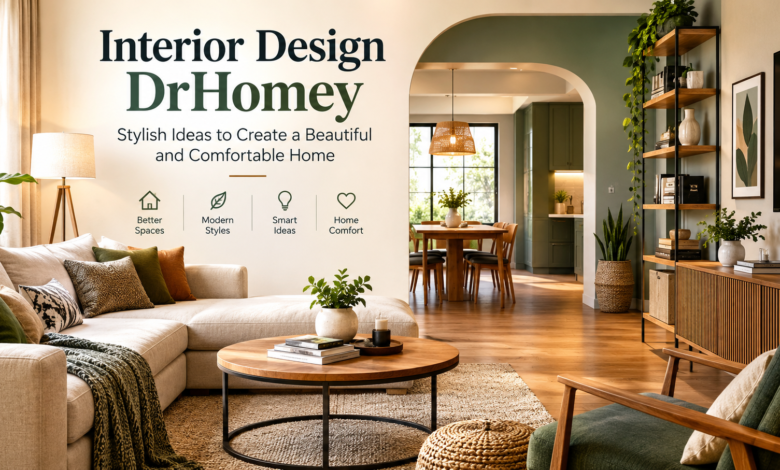
Interior design drhomey Your home should be more than a place to sleep or store your belongings. It should reflect your personality, support your daily routine, and provide a comfortable environment where you can relax. This is where interior design DrHomey becomes an interesting topic for homeowners, renters, and anyone looking to improve their living space without making unnecessary changes.
interior design drhomey combines creativity, practical planning, and thoughtful decision-making. From choosing the right wall colors to arranging furniture and improving natural lighting, even small adjustments can transform the atmosphere of a room. The best designs do not always require expensive furniture or a complete renovation. Sometimes, a fresh layout, a few decorative accessories, and better organization can make a remarkable difference.
DrHomey can be explored as a home interior design drhomey inspiration concept focused on creating attractive, functional, and welcoming interiors. Whether you prefer a modern apartment, a cozy family home, or a minimalist living space, the main idea is to balance beauty with everyday comfort.
In this guide, we will explore interior design DrHomey ideas, practical decorating techniques, room-by-room inspiration, furniture selection, color combinations, lighting strategies, and budget-friendly improvements. You will also discover how to create a cohesive interiorinterior design drhomey that feels personal rather than copied from a showroom.
What Is Interior Design DrHomey?
Interior design DrHomey is a keyword associated with home interiors, decorating inspiration, and practical ways to improve residential spaces. People searching for this topic may be looking for ideas that help them create beautiful rooms while maintaining comfort and functionality. The concept can be applied to different property types, including small apartments, family houses, rental homes, and newly constructed properties.
At its core, interior design is about understanding how people use their surroundings. A living room needs enough seating for family members and guests, while a bedroom should encourage rest and relaxation. A kitchen must support cooking, cleaning, and storage without becoming unnecessarily crowded. A successful interior design drhomey considers these practical needs before adding decorative details.
The DrHomey approach can be interpreted as a homeowner-friendly way to think about interior design drhomey improvements. Instead of treating design as something reserved for professionals or wealthy homeowners, it encourages people to make thoughtful choices using the space, furniture, and budget they already have.
Another important element is visual consistency. When furniture, wall colors, curtains, flooring, and accessories complement one another, a room feels organized and harmonious. This does not mean every item must match perfectly. Combining different textures, materials, and shapes can make an interior design drhomey more interesting when the overall palette remains balanced.
Personal expression also matters. Some people feel comfortable in bright, energetic rooms, while others prefer neutral colors, simple furniture, and uncluttered surfaces. Neither preference is automatically better. The ideal interior design drhomey reflects the people living in it and supports the way they spend their time.
Ultimately, interior design DrHomey can serve as a starting point for anyone who wants to make their home more attractive and practical. By focusing on layout, lighting, color, furniture, and personal style, you can create a space that looks inviting and works well every day.
Why Interior Design Matters in Everyday Life
interior design drhomey influences how a home looks, but its value extends far beyond appearance. A carefully planned room can make everyday activities easier, reduce visual clutter, and help people feel more comfortable in their surroundings. Even a modest home can feel spacious and welcoming when its layout supports the needs of its occupants.
One major benefit is improved functionality. Consider a living room where the sofa blocks a doorway, the coffee table makes movement difficult, and essential items have no designated storage space. Reorganizing the furniture and introducing a few storage solutions can improve the room without requiring expensive purchases.
A well-designed home can also provide a stronger sense of relaxation. Soft lighting, comfortable seating, pleasant colors, and familiar decorative objects can make a room feel welcoming after a demanding day. Although interior design drhomey cannot solve every source of stress, a thoughtfully arranged environment can make daily routines more pleasant.
interior design drhomey also helps homeowners make better purchasing decisions. Without a clear plan, people sometimes buy furniture that looks attractive in a store but feels oversized or unsuitable at home. Measuring rooms, choosing a consistent palette, and identifying essential pieces before shopping can prevent costly mistakes.
Another advantage is better use of available space. Apartments and smaller houses often require creative solutions, such as multifunctional furniture, wall-mounted shelves, and storage beneath beds. These choices help keep important belongings accessible while preserving valuable floor space.
Finally, thoughtful interior design drhomey can contribute to a property’s visual appeal. Neutral finishes, good lighting, practical storage, and a cohesive layout may make a home more attractive to prospective buyers or tenants. Results depend on the property, location, and quality of the improvements, but functional interior design drhomey is generally a worthwhile consideration.
Popular interior design drhomey Styles to Explore
Modern Interior Design
Modern interiors emphasize clean lines, practical furniture, and uncluttered arrangements. They often feature simple geometric shapes, restrained decoration, and materials such as glass, wood, metal, and stone. The result can feel polished without being overly complicated.
A modern living room might include a streamlined sofa, a simple coffee table, and a neutral rug. Instead of filling every corner with ornaments, the interior design drhomey highlights a few carefully selected accessories. This creates visual clarity while allowing individual pieces to stand out.
Color choices commonly include white, beige, gray, charcoal, and earthy shades. However, modern interior design drhomey does not have to be colorless. A single accent wall, colorful artwork, or an upholstered chair can introduce personality without overwhelming the space.
Minimalist interior design drhomey
Minimalism focuses on keeping what is useful or meaningful and removing unnecessary visual distractions. It is particularly helpful for small homes because fewer objects and simpler furniture arrangements can make rooms feel more open.
A minimalist bedroom might contain a comfortable bed, two small bedside tables, practical lighting, and a limited selection of decorative objects. Storage is important because everyday belongings can quickly undermine the clean appearance of the room when left scattered across surfaces.
Minimalism should not be confused with emptiness. A room can feel warm and personal through natural wood, textured bedding, soft rugs, and carefully chosen artwork. The goal is to create a balanced environment rather than eliminate everything that makes a house feel like home.
Scandinavian interior design drhomey
Scandinavian interiors are known for their emphasis on simplicity, natural materials, functional furniture, and comfortable atmospheres. Light colors, wood finishes, soft textiles, and uncluttered layouts often play important roles in this style.
To introduce Scandinavian influences, start with a light neutral palette and furniture with simple shapes. Add textured cushions, woven baskets, natural fabrics, and a few plants to make the space feel inviting. A combination of practical storage and decorative simplicity helps maintain the overall look.
Natural light is especially valuable in this style. Lightweight curtains allow daylight to enter while still providing privacy. Where sunlight is limited, warm artificial lighting can help create a similarly comfortable atmosphere.
Contemporary interior design drhomey
Contemporary interior design drhomey reflects current tastes rather than following one fixed historical style. It may combine curved furniture, mixed materials, statement lighting, natural finishes, and modern artwork.
For example, a contemporary dining room could feature a round wooden table, upholstered chairs, a sculptural pendant light, and a large abstract painting. These elements create interest while maintaining a coordinated appearance.
The key is moderation. Combining too many dramatic shapes, finishes, and colors can make a room feel chaotic. Select a few standout features and allow the remaining elements to support them.
Traditional and Transitional interior design drhomey
Traditional interiors often feature classic furniture shapes, decorative details, rich materials, and a sense of established elegance. This style can work beautifully in homes where the architecture includes detailed woodwork, decorative ceilings, or classic flooring.
Transitional interior design drhomey combines traditional comfort with contemporary simplicity. It might pair a classic upholstered sofa with a modern coffee table, understated curtains, and contemporary lighting.
This combination is useful for homeowners who appreciate timeless furniture but do not want their rooms to feel old-fashioned. Neutral colors, quality materials, and balanced proportions help connect the different influences.
Living Room Design Ideas for a Welcoming Home
The living room often serves several purposes. It may be a place to watch television, entertain guests, read, work occasionally, or spend time with family. Interior design DrHomey ideas for this space should begin with these everyday activities rather than decoration alone.
Start by identifying the room’s main focal point. Depending on the layout, this could be a window, fireplace, television wall, or large piece of artwork. Arrange the primary seating so that people can communicate comfortably and enjoy the focal point without awkwardly twisting their bodies.
Furniture proportions make a significant difference. An oversized sofa can dominate a small room, while a tiny coffee table may look out of place beside a large sectional. Measure the room and the furniture before purchasing anything. Leave practical walking routes between entrances, seating, and other frequently used areas.
Color can help establish the room’s mood. Beige, cream, and warm gray create a versatile foundation, while olive green, terracotta, navy, or muted blue can introduce depth. If you are uncertain about a bold color, incorporate it through cushions, throws, artwork, or a rug before committing to a permanent finish.
Lighting should support different activities. Combine general ceiling lighting with floor lamps, table lamps, or targeted reading lights. Multiple light sources allow you to create a brighter atmosphere for cleaning or gatherings and a softer setting for quiet evenings.
Finally, personalize the living room with a few meaningful objects. Family photographs, books, travel souvenirs, plants, and artwork can make the space feel authentic. Avoid filling every available surface, though. Leaving some open space helps the room feel calmer and makes favorite items more noticeable.
Bedroom interior design drhomey for Comfort and Relaxation
A bedroom should provide a comfortable environment for rest while accommodating practical needs such as clothing storage, dressing, reading, and getting ready in the morning. A beautiful bedroom is most successful when it remains easy to maintain and does not sacrifice comfort for appearance.
Begin with the bed because it usually occupies the largest portion of the room. Position it where movement remains convenient and access to wardrobes, windows, and doors is not restricted. If space allows, bedside tables provide useful places for lamps, books, phones, and other nighttime essentials.
Choose colors according to the atmosphere you want to create. Soft white, sand, pale green, muted blue, and warm beige can support a calm appearance. Darker colors may also work well, especially when balanced with suitable lighting and lighter textiles.
Bedding introduces both comfort and texture. Layer sheets, a duvet, pillows, and a throw in complementary shades. You do not need expensive fabrics or excessive decoration to achieve an attractive result. Clean bedding, good proportions, and a coordinated palette often matter more than the number of accessories.
Storage is essential for maintaining a peaceful bedroom. Use wardrobes, drawer organizers, under-bed containers, and bedside storage to keep everyday belongings organized. If the room is small, consider furniture that combines two functions, such as a bed with built-in drawers or a compact dressing table that also serves as a desk.
Lighting deserves special attention. A central ceiling fixture may provide general illumination, but bedside lamps offer a softer alternative for reading or relaxing. Blackout curtains or suitable window coverings may also help reduce unwanted light, depending on your needs.
Kitchen Design Ideas That Combine Beauty and Function
The kitchen is one of the most demanding rooms to interior design drhomey because it must support frequent movement, food preparation, cleaning, and storage. A visually attractive kitchen is valuable, but its layout should make daily tasks straightforward.
Start by examining the relationship between the refrigerator, sink, and cooking area. These work zones should be arranged to minimize unnecessary movement while preserving clear pathways. The best layout depends on the room’s dimensions, plumbing, appliances, and the habits of the people using it.
Storage can dramatically improve kitchen usability. Deep drawers, organized cabinets, pull-out shelves, and vertical dividers help make better use of available space. Keep frequently used cookware and ingredients accessible, while storing occasional items in less convenient locations.
Countertops should remain as clear as possible. Small appliances, utensil holders, and decorative accessories can be useful, but too many objects reduce working space. Choose a few practical items and store the rest in designated cabinets.
Color and material choices influence the overall mood. White cabinets can create a bright appearance, while natural wood adds warmth. Gray, sage green, navy, and earthy neutrals can also work well when paired with suitable countertops and flooring.
Lighting should cover both general illumination and food preparation. Ceiling fixtures provide overall brightness, while under-cabinet lights can illuminate work surfaces. Where possible, make use of natural daylight without compromising privacy or convenient storage.
Lastly, consider maintenance before selecting finishes. Highly textured surfaces, delicate materials, and complicated hardware may require more cleaning than expected. Durable countertops, easy-to-clean cabinet finishes, and suitable ventilation can make the kitchen more practical over time.
Bathroom Design Ideas for a Clean and Stylish Space
A bathroom does not need to be large to look attractive. Good lighting, appropriate storage, coordinated finishes, and an efficient layout can make even a compact bathroom feel more organized.
Begin by evaluating the available floor area and the placement of the toilet, sink, shower, and door. Avoid changes that create awkward movement or interfere with essential plumbing. If you are planning a renovation, establish a realistic budget before selecting expensive tiles or fixtures.
Light colors can help create a bright appearance, particularly when the room has limited natural light. White, cream, pale gray, and soft beige are versatile options. You can introduce contrast through darker fixtures, patterned tiles, mirrors, or decorative accessories.
Mirrors are especially useful because they support everyday grooming and can make a small room appear more open. A well-positioned mirror above the vanity can reflect available light, although the actual effect depends on the room’s layout and lighting conditions.
Storage keeps bathroom essentials from accumulating around the sink. Wall-mounted cabinets, vanity drawers, recessed shelves, and small organizers can help manage toiletries and cleaning supplies. In compact spaces, vertical storage often makes better use of the available area.
Lighting should provide sufficient brightness for grooming without creating harsh shadows. A combination of general lighting and appropriate vanity lighting is often more useful than relying on a single overhead fixture.
Finally, prioritize ventilation, moisture-resistant materials, and slip-resistant flooring. A bathroom must withstand frequent humidity and water exposure, so attractive finishes should also be suitable for the environment. These practical considerations protect the room’s appearance and long-term usability.
Choosing the Right Colors, Materials, and Textures
Color is one of the most influential elements ininterior design drhomey because it affects how different materials and furnishings work together. A coordinated palette can make a room feel harmonious, while conflicting shades may distract from otherwise attractive furniture.
An effective starting point is to select a dominant neutral color, a secondary color, and one or two accent shades. For example, a living room might use warm white on the walls, natural wood for furniture, and olive green in cushions or artwork. This creates visual interest without requiring every item to match.
Lighting affects how colors appear. A beige wall may look warmer in afternoon sunlight and cooler under certain artificial lights. Before painting an entire room, test sample colors in several locations and observe them at different times of day.
Materials contribute as much character as color. Wood introduces natural warmth, metal adds definition, glass can create a lighter visual effect, and stone provides texture. Combining these materials thoughtfully can make a simple room feel layered and sophisticated.
Soft furnishings are another useful interior design drhomey tool. Curtains, rugs, blankets, and cushions introduce texture without requiring structural changes. Mixing smooth surfaces with woven fabrics or subtle patterns helps prevent a neutral room from looking flat.
Consistency does not mean uniformity. Different rooms can have their own personalities while sharing a few connecting elements, such as similar wood tones, related accent colors, or recurring metal finishes. These subtle connections help the entire home feel thoughtfully designed.
Lighting Techniques That Transform Interior Spaces
Lighting is often overlooked when people plan a room, yet it can influence everything from visual comfort to the way furniture and colors appear. Even expensive furnishings may look uninviting when the lighting is poorly positioned or too harsh.
A useful approach is to combine three types of lighting: ambient, task, and accent. Ambient lighting provides general illumination. Task lighting supports specific activities, such as reading, cooking, or working. Accent lighting highlights artwork, architectural details, shelves, or decorative objects.
Natural light should be considered early in the interior design drhomey process. Keep windows reasonably unobstructed, choose window treatments that suit the room, and position desks or reading chairs where daylight is useful. The amount of sunlight available will depend on the property’s orientation, surrounding buildings, and window size.
Artificial lighting also influences atmosphere. Warm-white light is often suitable for relaxing areas, while a more neutral light may be helpful in kitchens, workspaces, and grooming areas. The ideal choice depends on the task, personal preference, and the appearance you want to achieve.
Light placement matters just as much as brightness. A single ceiling fixture can leave corners dark or create unwanted shadows. Table lamps, wall lights, floor lamps, and under-cabinet lighting help distribute illumination more evenly.
Whenever possible, consider dimmable fixtures or separate lighting controls. These allow you to adjust the room for different activities without changing the entire setup. Always select fixtures appropriate for their location, especially in bathrooms and other areas exposed to moisture.
Smart Furniture Selection for Every Room
Furniture should fit the room, support everyday activities, and complement the overall design. When exploring interior design DrHomey ideas, it is helpful to think of furniture as a long-term investment rather than a collection of attractive objects.
Start by measuring the room before shopping. Record the dimensions of walls, doorways, windows, and existing furniture. This information helps you determine whether a sofa, dining table, wardrobe, or bed will fit comfortably. Remember to consider the space needed to open drawers, pull out chairs, and walk around larger pieces.
Multifunctional furniture can be especially useful in smaller homes. A storage ottoman provides seating and a place to keep blankets, while a sofa bed accommodates overnight guests. Extendable dining tables can serve everyday needs without occupying unnecessary space when fewer people are eating.
Quality matters, but a higher price does not automatically guarantee a better purchase. Examine construction, materials, comfort, maintenance requirements, and warranty coverage. For frequently used pieces, durability may be more valuable than a fashionable interior design drhomey that becomes uncomfortable or worn quickly.
Scale is another important consideration. Large furniture can make a compact room feel crowded, while pieces that are too small may leave a spacious room feeling unfinished. A balanced combination of furniture sizes helps establish visual order and makes the layout feel intentional.
Finally, consider how furniture works together. A wooden dining table, upholstered chairs, and a simple pendant light can create an attractive arrangement when their proportions and finishes complement one another. You do not need to buy a matching set for every room. Combining compatible pieces often creates a more personal and interesting interior.
Budget-Friendly Interior Design DrHomey Ideas
Creating an attractive home does not necessarily require a major financial investment. Many improvements involve better organization, thoughtful furniture placement, and small decorative changes rather than expensive renovations.
One of the easiest options is rearranging existing furniture. Move pieces away from blocked walkways, improve the relationship between seating and lighting, and identify unused corners that could serve a practical purpose. A new layout can change the room’s appearance without costing anything.
Painting is another relatively accessible improvement. A fresh coat of paint can brighten tired walls, introduce a new accent color, or make different areas feel more connected. Choose a suitable paint finish for each surface and prepare walls properly before starting the project.
Textiles provide another affordable way to refresh an interior. New cushion covers, curtains, bedding, or a carefully chosen rug can introduce color and texture. Rather than replacing everything, identify the items that have the greatest visual impact and update those first.
Secondhand furniture can offer excellent value when selected carefully. Solid wood tables, sturdy bookshelves, and classic chairs may be worth restoring if their structure remains sound. Check for damage, unpleasant odors, pests, and repair costs before making a purchase.
Lighting and storage can also deliver noticeable improvements. Replacing an unsuitable lampshade, adding a floor lamp, installing simple shelves, or organizing crowded cabinets may improve both appearance and usability. These smaller projects are often easier to complete than a full renovation.
The most important budget strategy is prioritization. Divide your plans into essential repairs, functional improvements, and optional decorative purchases. Address safety and maintenance issues first, then spend on the changes that will make the greatest difference to your daily life.
Small-Space Interior Design: Make Every Inch Count
Small homes require careful planning because every piece of furniture competes for limited space. However, a compact apartment or bedroom can still feel attractive, comfortable, and organized when the layout makes good use of available room.
Begin by identifying the activities that matter most. If you work from home, a compact desk may be essential. If you frequently entertain guests, flexible seating could be more useful than a large decorative cabinet. Your priorities should determine the layout.
Use vertical space wherever practical. Wall-mounted shelves, tall bookcases, and appropriately secured cabinets can provide storage without consuming as much floor area as wide furniture. Keep heavier objects safely positioned and ensure that wall-mounted fixtures are installed correctly.
Visual clutter can make a small room feel even smaller. Store everyday items in baskets, drawers, and cabinets, and avoid filling every shelf with decorative objects. Leaving some surfaces clear creates breathing room and makes essential belongings easier to find.
Mirrors and thoughtful lighting can improve the perception of space. Positioning a mirror to reflect daylight may help a room feel brighter, while multiple light sources can reduce dark corners. These techniques cannot increase the actual floor area, but they can improve the visual experience.
Choose furniture with suitable proportions and simple silhouettes. A compact sofa, narrow console table, or round dining table may allow easier movement than bulky alternatives. Furniture with visible legs can also create a lighter visual impression by exposing more of the floor.
Finally, avoid assuming that small rooms must use only white or pale colors. Darker shades, distinctive artwork, and textured materials can work beautifully when balanced with sufficient lighting and a thoughtful arrangement. The objective is not to make every small room look identical, but to make the available space feel purposeful and comfortable.
Sustainable and Eco-Friendly Interior Design
Sustainable interior design drhomey focuses on making responsible choices about materials, energy use, product lifespan, and household waste. It offers a practical way to create a beautiful home while considering the environmental impact of decorating and renovation decisions.
One useful starting point is keeping furniture that remains functional. Repainting a wooden cabinet, repairing a chair, or updating existing hardware may be more resource-conscious than replacing an entire piece. These improvements can also preserve items with sentimental value.
When buying new furniture, examine durability and construction. Products designed for long-term use may reduce the need for frequent replacements. Reclaimed wood, responsibly sourced timber, recycled materials, and secondhand furnishings can also be worth considering, depending on their quality and suitability.
Energy-efficient lighting is another practical improvement. LED bulbs generally use less electricity and last longer than traditional incandescent bulbs. Selecting appropriate brightness, switching off unnecessary lights, and making good use of daylight can further support efficient energy use.
Indoor plants can introduce natural color and texture while making rooms feel more inviting. Choose varieties that suit the available light, humidity, and level of maintenance you can provide. Plants should complement the room rather than become another source of clutter or unnecessary expense.
Material selection requires some research. Look for clear information about product composition, durability, and emissions where relevant. Low-emission paints and finishes may help reduce certain indoor pollutants, although ventilation and proper application remain important considerations.
A sustainable home does not have to follow one particular decorating style. Minimalist, traditional, modern, and colorful interiors can all incorporate responsible choices. The most effective approach is to buy thoughtfully, maintain what you own, and choose materials that serve your needs over time.
Common Interior Design Mistakes to Avoid
Even with attractive furniture and a good color palette, a room can feel uncomfortable when basic planning is overlooked. Recognizing common mistakes before beginning a project can save time, money, and frustration.
One frequent mistake is buying furniture before measuring the space. A sofa may look perfect in a showroom but overwhelm a smaller living room. Measure both the room and the item, and check that the furniture can pass through doorways, hallways, and staircases during delivery.
Another problem is relying on a single light source. A central ceiling fixture may illuminate the room unevenly, leaving reading areas or corners too dark. Combining ambient, task, and accent lighting creates more flexibility and makes the interior feel more complete.
Choosing too many colors, patterns, and decorative styles can also weaken a design. A patterned rug, colorful artwork, and statement furniture can work together, but each element needs room to stand out. Establish a consistent palette and introduce contrasting features selectively.
Poor storage planning is another issue. Even a beautiful room can quickly look disorganized when everyday items have no designated place. Consider where you will keep shoes, paperwork, charging cables, blankets, cleaning supplies, and other frequently used belongings before finalizing the layout.
Following trends without considering personal needs can lead to disappointing results. A fashionable chair may look impressive but offer little comfort, while delicate surfaces may be unsuitable for a busy household. Use trends as inspiration, not as rules that override practicality.
Finally, rushing into renovations can create avoidable expenses. Changing flooring, plumbing, electrical systems, or built-in cabinetry may involve more work than expected. Establish priorities, check measurements, compare suitable materials, and seek qualified professionals when the work requires specialist knowledge.
How to Personalize Your Home with DrHomey Inspiration
A well-designed home should reflect the people who live in it. While online inspiration can introduce useful ideas, copying an entire room without considering your own needs may produce a space that looks attractive but feels impersonal.
Start by identifying the atmosphere you want. You might prefer a calm bedroom, an energetic home office, a welcoming living room, or a dining area suited to family gatherings. Defining the purpose of each room helps you make more consistent decisions about colors, furniture, and accessories.
Personal belongings can give an interior character. Family photographs, favorite books, handmade objects, travel souvenirs, and meaningful artwork often contribute more personality than generic decorations. Arrange these items thoughtfully so they complement the room instead of competing for attention.
You can also introduce individuality through color and texture. If you prefer neutral interiors, add interest with natural wood, woven fabrics, and distinctive artwork. If you enjoy brighter spaces, introduce colorful furniture, patterned cushions, or an accent wall while maintaining a few connecting shades.
Consider how your home changes throughout the day. A living room may need bright lighting for daytime activities and softer illumination in the evening. A dining area might require flexible seating, while a home office benefits from an organized desk and suitable task lighting. Designing around real routines makes the space more useful.
Do not feel pressured to finish every room immediately. Living in a space for a while can reveal what works and what needs improvement. You may discover that a chair would be better near a window or that additional storage is more useful than another decorative accessory.
Ultimately, the most successful DrHomey-inspired interior is one that feels natural to you. Use inspiration as a starting point, adapt ideas to your budget, and make decisions that support your everyday lifestyle.
Interior Design DrHomey: Planning Your Home Improvement Project
Before purchasing materials or moving furniture, create a simple plan for your project. A clear plan helps you avoid unnecessary expenses and gives you a better understanding of what can realistically be achieved.
First, assess the current condition of the room. Look at the walls, flooring, lighting, furniture, storage, and overall layout. Identify what already works and what creates difficulties. Keeping useful elements can reduce costs and allow you to focus on the areas that need attention.
Next, establish your budget. Include furniture, paint, decorative accessories, delivery charges, installation, and professional services where necessary. For renovation work, reserve some money for unexpected expenses because hidden damage or changes in material costs can affect the final total.
Create a visual reference collection using photographs, color samples, furniture examples, and fabric ideas. Group similar references together and identify recurring features. This process can help you discover whether you prefer warm neutrals, natural materials, bold contrasts, or a more minimalist aesthetic.
After selecting your direction, prioritize purchases and improvements. Structural repairs, electrical safety, plumbing, and essential storage should generally come before optional decorations. Once the practical requirements are handled, you can concentrate on furniture, textiles, artwork, and finishing touches.
Finally, review the completed room before making additional purchases. Walk through the space, test the lighting, check the movement between furniture pieces, and observe how everything works during normal activities. Small adjustments often improve the result more effectively than buying additional accessories.
Frequently Asked Questions About Interior Design DrHomey
What is interior design DrHomey?
Interior design DrHomey is a search term associated with home decorating, interior inspiration, and practical design ideas. It can be used to explore ways to improve room layouts, choose furniture, coordinate colors, and create comfortable living environments. The specific meaning of the DrHomey name depends on the website or service being referenced.
How can I improve my home interior on a small budget?
Start by rearranging existing furniture, removing unnecessary clutter, and improving storage. Refreshing wall paint, changing cushion covers, adding suitable lighting, and displaying artwork can also make a noticeable difference. Focus on a few high-impact improvements instead of purchasing everything at once.
Which interior design style is best for a modern home?
Modern, contemporary, Scandinavian, and minimalist styles are all popular choices for modern homes. The best option depends on your preferences, available space, maintenance needs, and budget. You can also combine elements from different styles when their colors, materials, and proportions work together.
How do I make a small room look bigger?
Use appropriately sized furniture, maintain clear walking paths, and organize belongings in practical storage spaces. Mirrors, natural light, and layered lighting can help a room feel brighter and more open. Light colors may contribute to this effect, but darker colors can also work when the overall design is balanced.
Is interior design expensive?
Interior design does not have to be expensive. Many improvements involve rearranging furniture, painting walls, improving lighting, or updating textiles. Costs increase when projects involve structural changes, custom furniture, new flooring, or professional renovation work, so planning your budget in advance is important.
How can I choose the right colors for my home?
Begin with a dominant color that suits the room’s purpose and available light. Add complementary shades through furniture, curtains, rugs, and decorative accessories. Test paint samples before committing, because natural and artificial lighting can change how colors appear throughout the day.
Can I mix different interior design styles?
Yes. Combining styles can create a distinctive and personal interior. For example, modern furniture can complement traditional wooden pieces, while minimalist layouts can incorporate colorful artwork. Maintain a few consistent elements, such as related colors or materials, to keep the overall design cohesive.
Does interior design increase property value?
Thoughtful interior improvements may make a property more attractive to potential buyers or tenants. Functional layouts, well-maintained surfaces, suitable lighting, and practical storage can improve its presentation. However, the effect on property value depends on local market conditions, the quality of the work, and the type of improvements made.
How often should I update my home interior?
There is no fixed schedule for updating an interior. Some changes, such as rearranging furniture or replacing small accessories, can happen whenever your needs change. Larger improvements should be based on wear, functionality, budget, and personal preference rather than pressure to follow every new trend.
Where should beginners start with interior design?
Beginners should start by understanding the room’s purpose, measuring the available space, and identifying their preferred colors and style. Choose essential furniture first, plan lighting and storage, and add decorations gradually. This approach makes it easier to create a coordinated room without overspending.
Final Thoughts on Interior Design DrHomey
Interior design DrHomey provides a useful starting point for exploring ways to make a home more attractive, comfortable, and functional. From selecting furniture and coordinating colors to improving lighting and organizing small spaces, thoughtful decisions can transform the experience of living in your home.
The most important lesson is that good interior design is not about buying expensive products or following every decorating trend. It is about understanding your space, identifying your priorities, and making improvements that support your lifestyle.
Begin with the basics: a practical layout, suitable lighting, comfortable furniture, and organized storage. Then introduce personal touches through artwork, plants, textiles, and decorative objects that reflect your tastes. If your budget is limited, make changes gradually and concentrate on the improvements that matter most.
Remember that a beautiful home should also be easy to live in. Your rooms should support everyday routines, provide comfort, and feel welcoming to the people who use them. With careful planning and a little creativity, you can build an interior that combines visual appeal with lasting practicality.
Whether you are refreshing one bedroom or redesigning an entire house, take your time, experiment with ideas, and make choices that feel right for your needs. The best home design is one that looks good, works well, and feels like yours.