
Yard Cleanup A Complete Guide to Creating a Clean, Healthy, and Beautiful Outdoor Space

Introduction
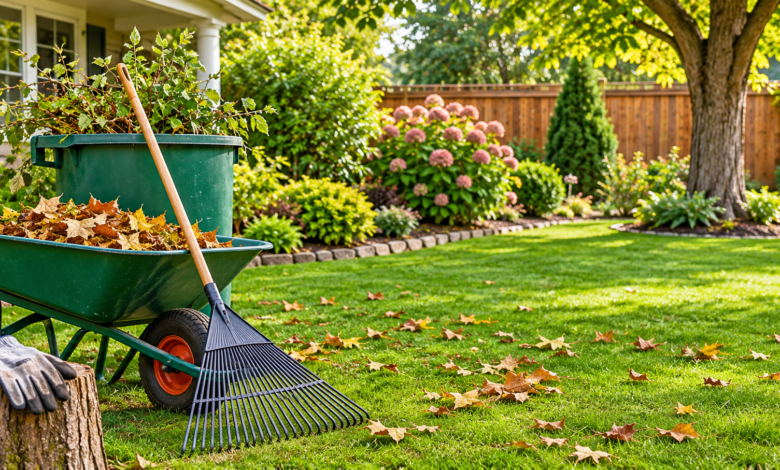
Yard cleanup A beautiful home does not end at the front door. Your yard is an important part of your property, and its condition can influence the entire appearance of your home. Unfortunately, outdoor spaces can become messy surprisingly quickly. Fallen leaves, overgrown grass, unwanted weeds, broken branches, scattered debris, and neglected garden areas can make even a well-maintained property look unattractive. This is where regular yard cleanup becomes essential.
Yard cleanup is more than simply removing leaves or collecting trash. It involves organizing outdoor spaces, maintaining plants, improving lawn conditions, clearing unwanted materials, and creating an environment that feels comfortable and welcoming. Whether you have a small backyard, a large lawn, or a landscaped garden, keeping everything clean makes a noticeable difference.
Many homeowners postpone outdoor maintenance because they believe it requires expensive equipment or professional assistance. However, most cleanup tasks are manageable when approached with a practical plan. You can complete smaller jobs yourself and arrange professional help for larger projects when necessary.
Another important benefit is that regular maintenance prevents small problems from becoming expensive repairs. For example, removing fallen branches, clearing blocked drainage areas, and trimming overgrown vegetation can help protect your property from avoidable damage.
In this comprehensive guide, you will learn everything about yard cleanup, including preparation, essential tools, seasonal maintenance, waste management, safety considerations, and practical techniques. Whether you want to refresh your outdoor space or establish a long-term maintenance routine, these tips will help you achieve a cleaner and healthier yard.
1. What Is Yard Cleanup and Why Does It Matter?
Yard cleanup refers to the process of removing unwanted materials, maintaining outdoor areas, and improving the overall appearance of residential or commercial landscapes. It includes several activities, such as collecting fallen leaves, removing weeds, trimming shrubs, clearing branches, mowing grass, and organizing outdoor equipment. The specific tasks depend on the size, condition, and layout of the property.
One major purpose of yard cleanup is maintaining a neat and attractive outdoor environment. Over time, natural materials accumulate around trees, flower beds, walkways, and lawns. Without regular attention, these materials can make the entire property appear neglected. Removing unnecessary debris immediately creates a more organized appearance.
A clean yard also supports healthier plant growth. Fallen leaves and organic materials are not always harmful, but excessive accumulation can create problems in certain areas. Thick layers of wet leaves may block sunlight, trap moisture, and contribute to lawn damage. Removing excessive debris allows grass and other plants to receive better growing conditions.
Another important reason is pest management. Unmanaged piles of leaves, standing water, rotting materials, and dense vegetation can provide shelter for insects and other unwanted animals. Regular cleanup reduces potential hiding places and makes it easier to identify conditions that may attract pests.
Outdoor cleanliness can also improve the usability of your property. Imagine trying to enjoy a backyard barbecue while navigating around fallen branches, overgrown weeds, and scattered garden equipment. A properly maintained space feels more comfortable and makes outdoor activities easier for family members and guests.
Property appearance is another consideration. Although landscaping is only one factor in overall property value, a well-maintained yard can create a positive first impression. Buyers and visitors often notice the condition of lawns, pathways, gardens, and outdoor spaces before entering a building.
Finally, regular cleanup makes future maintenance less demanding. When you remove debris frequently, you avoid dealing with large piles of accumulated waste. Smaller maintenance sessions are generally easier to organize, require less physical effort, and help keep your outdoor environment consistently attractive.
2. How to Prepare Your Yard Before Starting Cleanup
Successful yard cleanup begins with preparation. Starting immediately without understanding the condition of your property can waste time and lead to unnecessary work. A few minutes spent assessing the area can help you identify priorities, organize equipment, and establish a realistic cleaning schedule.
Begin by walking around your entire property. Look at the lawn, garden beds, trees, fences, walkways, driveway, and outdoor storage areas. Notice where leaves have accumulated, which plants need trimming, and whether any branches or unwanted materials are creating obstacles. This initial inspection provides a clear picture of the work ahead.
Next, divide the property into smaller sections. For example, you might separate your yard into the front lawn, backyard, garden beds, side pathways, and driveway. Working through one section at a time prevents unnecessary movement between different areas and makes progress easier to measure.
Creating a task list is another helpful step. Write down the jobs that need attention, starting with the most important ones. Removing hazardous branches, clearing blocked drainage areas, and collecting sharp debris should generally receive priority over decorative improvements. Once these issues are handled, you can focus on mowing, trimming, and organizing.
Check the weather before scheduling outdoor work. Extremely hot conditions can make physical activities uncomfortable, while heavy rain can turn soil into mud and make certain equipment difficult to operate. Mild, dry weather is usually more suitable for general cleanup activities.
You should also prepare a suitable waste collection system. Keep separate containers or designated piles for organic materials, recyclable items, reusable garden materials, and general rubbish. This simple arrangement makes disposal easier and prevents useful materials from becoming mixed with ordinary waste.
Before starting, inspect your equipment and protective clothing. Make sure your rake, shovel, pruning tools, and lawn mower are in suitable working condition. Wear gloves, sturdy footwear, and clothing that protects your skin from scratches, insects, and rough vegetation. If you plan to use powered equipment, read its operating instructions carefully.
Finally, estimate how much time each section will require. A small yard may need only a few hours, while a large property with extensive vegetation could require several days. Setting realistic expectations helps you avoid rushing and ensures that every area receives appropriate attention.
3. Essential Tools and Equipment for Effective Yard Cleanup
Having the right equipment makes outdoor maintenance considerably easier. You do not need to purchase every available gardening tool, especially if your property is relatively small. Instead, focus on versatile equipment that handles common cleaning tasks safely and efficiently.
A sturdy garden rake is one of the most useful tools for yard cleanup. It helps collect fallen leaves, small branches, grass clippings, and other loose materials. Different rake designs serve different purposes, so choose a model suitable for your lawn and the types of debris you regularly encounter.
A leaf blower can save time when dealing with large quantities of dry leaves. It moves lightweight materials into manageable piles, making collection faster. However, blowers can disturb dust and spread debris into neighboring areas, so use them thoughtfully and follow local noise restrictions.
Pruning shears are essential for maintaining shrubs, small branches, and decorative plants. Sharp, clean blades produce better cuts and reduce unnecessary damage to vegetation. For thicker branches, you may need a suitable pruning saw or specialized cutting equipment.
A reliable lawn mower is another important investment for properties with grass-covered areas. Regular mowing helps maintain a neat appearance and keeps grass at a manageable height. Choose a mower that matches your lawn size and terrain rather than purchasing equipment that is unnecessarily powerful or expensive.
A wheelbarrow or sturdy garden cart makes transporting collected materials much easier. Instead of carrying multiple heavy bags across the yard, you can move leaves, branches, soil, and other materials in fewer trips. This is particularly useful for large properties and gardens with multiple sections.
Heavy-duty garden bags, reusable containers, and waste bins help organize collected debris. Keep enough bags available before beginning the project. For larger branches or bulky materials, a dedicated collection area may be more practical than attempting to fit everything into ordinary garden bags.
Protective equipment should never be overlooked. Gardening gloves help protect your hands from sharp branches, rough surfaces, and irritating plants. Safety glasses provide protection when cutting vegetation or using powered tools. Sturdy, closed-toe footwear helps reduce the risk of injuries from dropped equipment and hidden debris.
4. Step-by-Step Guide to Cleaning Your Yard Properly
A systematic approach makes yard cleanup more manageable and prevents important tasks from being overlooked. Instead of attempting to clean everything simultaneously, follow a logical sequence that moves from removing unwanted materials to improving the overall appearance of your outdoor space.
Step 1: Remove Large Debris First
Start by collecting large branches, broken garden equipment, fallen objects, and other noticeable debris. These materials can interfere with mowing, raking, and other maintenance activities. Removing them first creates a safer working environment and gives you more room to complete the remaining tasks.
Step 2: Collect Fallen Leaves and Small Materials
Once larger objects have been removed, focus on fallen leaves, grass clippings, and smaller debris. Use a rake or leaf blower to gather loose materials into manageable piles. Pay particular attention to corners, spaces beneath trees, and areas near fences where leaves commonly accumulate.
Step 3: Clear Unwanted Weeds
Inspect garden beds, pathways, and lawn edges for unwanted weeds. Remove them carefully, including as much of the root system as practical, to reduce regrowth. For persistent weeds, choose an appropriate control method that will not damage nearby plants or contaminate surrounding areas.
Step 4: Trim Overgrown Plants and Shrubs
Examine bushes, hedges, and decorative plants that have become difficult to manage. Remove dead, damaged, or unwanted growth using suitable pruning equipment. Avoid cutting every plant into the same shape because different species have different growth requirements and pruning seasons.
Step 5: Mow and Maintain the Lawn
After removing loose debris, mow the lawn if necessary. Adjust the cutting height according to the grass variety and current growing conditions. Avoid cutting too much grass at once because excessively short mowing can weaken the lawn and make it more vulnerable to heat and stress.
Step 6: Clean Walkways, Driveways, and Outdoor Surfaces
Outdoor cleaning should extend beyond grass and garden beds. Sweep paved pathways, remove dirt from driveways, and clear unwanted materials around entrances. Check for slippery surfaces, accumulated mud, and vegetation growing between paving stones. A pressure washer may help with suitable hard surfaces, provided you use the correct pressure.
Step 7: Organize and Inspect the Finished Area
Once the major cleaning tasks are complete, organize garden tools, outdoor furniture, decorative items, and storage containers. Check whether drainage channels remain clear and whether any debris has been left behind. A final inspection helps identify unfinished work and ensures the entire property looks consistently maintained.
5. Seasonal Yard Cleanup: What to Do Throughout the Year
Outdoor maintenance changes throughout the year because plants, weather conditions, and natural debris follow seasonal patterns. A seasonal approach helps homeowners prepare their properties for changing conditions instead of waiting until problems become obvious.
Spring Yard Cleanup
Spring is an excellent time to refresh your outdoor environment after colder weather. Begin by removing accumulated branches, dead leaves, and damaged plant material. Inspect your lawn for bare patches, compacted soil, and areas that may require additional attention. Clean garden beds and prepare suitable areas for seasonal planting.
Spring is also a useful time to inspect irrigation systems, outdoor faucets, fences, and garden equipment. Winter weather can cause damage that becomes more noticeable when temperatures rise. Addressing these issues early helps prepare your yard for the growing season.
Summer Yard Cleanup
Summer maintenance generally focuses on managing grass growth, controlling weeds, and protecting plants from heat. Mow regularly without cutting grass excessively short. Remove unwanted weeds before they become established, and monitor flower beds for signs of stress or excessive dryness.
Water management becomes especially important during hotter periods. Water plants according to their individual needs and local conditions. Early morning watering can reduce unnecessary evaporation, while suitable mulch helps maintain soil moisture around many garden plants.
Autumn Yard Cleanup
Autumn is commonly associated with falling leaves and changing plant conditions. Collect excessive leaf accumulation from lawns, pathways, and drainage areas. Healthy leaves can often be shredded and reused as mulch or compost ingredients rather than being discarded immediately.
This season is also suitable for removing dead annual plants, inspecting trees, and preparing garden beds for colder weather. Check outdoor equipment before storing it and remove unnecessary materials that could become problems during winter storms.
Winter Yard Cleanup
Winter maintenance depends heavily on the local climate. In colder regions, homeowners may need to remove storm-damaged branches, protect sensitive plants, and keep pathways clear. In warmer areas, winter can provide an opportunity to handle general garden maintenance without intense summer heat.
Avoid unnecessary walking on frozen or waterlogged lawns because this can damage grass and soil structure. Store equipment properly and inspect outdoor storage areas for moisture problems. Continue removing hazardous debris whenever weather conditions make the work safe.
6. Yard Waste Disposal and Environmentally Friendly Practices
Collecting debris is only one part of yard cleanup. You must also decide what to do with the materials you remove. Responsible disposal helps maintain a clean property while reducing unnecessary waste and supporting more sustainable gardening practices.
Organic materials such as leaves, small plant trimmings, and untreated grass clippings can often be composted. Composting turns suitable garden waste into a useful soil amendment over time. It also reduces the amount of organic material sent to landfills.
However, not every type of garden debris belongs in a compost pile. Diseased plants, invasive weeds carrying mature seeds, and materials treated with unsuitable chemicals may create problems. Check local composting recommendations before adding unfamiliar materials.
Grass clippings can sometimes remain on the lawn when they are short and evenly distributed. This practice, commonly called grasscycling, allows organic matter to return nutrients to the soil. Avoid leaving thick piles because they may smother grass and create an untidy appearance.
Branches and larger woody materials may be suitable for municipal green-waste collection, specialized recycling facilities, or professional removal services. Some untreated wood can also be chipped for landscaping applications. Make sure the material is appropriate for its intended use before reusing it.
Household rubbish, broken plastic items, metal objects, and other nonorganic materials should be separated from garden waste. Follow local waste collection rules and recycling guidelines. Never burn yard debris without confirming that burning is legally permitted and environmentally appropriate in your area.
For large cleanup projects, consider arranging a suitable waste container or professional removal service. This can be particularly helpful when dealing with storm damage, extensive landscaping work, or accumulated materials that exceed ordinary household collection limits.
Finally, try to prevent unnecessary waste before it develops. Reuse suitable containers, choose durable gardening equipment, and maintain plants regularly. Sustainable yard cleanup is not about making every material disappear; it is about handling outdoor waste responsibly and making better use of available resources.
7. Common Yard Cleanup Mistakes You Should Avoid
Even experienced homeowners can make mistakes when maintaining outdoor spaces. Some problems occur because people rush through cleanup, while others result from using unsuitable equipment or misunderstanding basic gardening practices. Recognizing these mistakes can save time and protect your property.
One common mistake is attempting to clean the entire yard in a single session without preparation. Large projects can become exhausting, particularly when debris has accumulated over several months. Dividing the work into smaller sections creates a more realistic schedule and makes it easier to maintain consistent progress.
Another mistake is cutting grass too short. Although a freshly trimmed lawn may look neat, removing excessive grass height can weaken the plants. Grass needs enough leaf surface to support healthy growth, so follow suitable mowing heights for your particular variety.
Some homeowners also remove every fallen leaf without considering its potential benefits. Leaves can provide organic matter and habitat for beneficial organisms when managed appropriately. Rather than clearing every leaf automatically, focus on removing excessive accumulation from lawns, pathways, drains, and other areas where it may cause problems.
Using dull pruning tools is another avoidable problem. Poorly maintained blades can crush plant tissue and create uneven cuts. Clean and sharpen pruning equipment regularly, and disinfect tools when moving between plants that may carry diseases.
Ignoring drainage areas can create bigger problems than most people expect. Leaves, soil, and other materials can obstruct drainage channels and prevent water from flowing properly. Inspect these areas during routine cleanup, especially before periods of heavy rainfall.
Improper waste disposal is equally important to avoid. Mixing recyclable materials with organic debris makes responsible disposal more difficult. Burning mixed rubbish or dumping unwanted materials in unauthorized locations can also create environmental and legal problems.
Finally, never underestimate the importance of personal safety. Rushing while using powered equipment, climbing unstable ladders, or handling heavy branches without assistance increases the risk of injury. Use appropriate protective equipment and hire qualified professionals for dangerous tasks.
8. Should You Choose DIY Yard Cleanup or Hire Professionals?
One of the biggest decisions homeowners face is whether to handle yard cleanup independently or hire a professional service. Both approaches have advantages, and the right option depends on your property’s size, the amount of accumulated debris, available equipment, and personal preferences.
DIY yard cleanup is often suitable for smaller properties with manageable maintenance requirements. Tasks such as collecting leaves, removing ordinary weeds, sweeping pathways, and organizing garden equipment can usually be handled without professional assistance.
Another advantage of doing the work yourself is flexibility. You can clean your property whenever your schedule allows and decide which areas need attention first. You also gain a better understanding of your garden’s condition, including plant growth, drainage concerns, and recurring maintenance problems.
However, DIY work requires time and physical effort. Large properties may need several hours or multiple days of maintenance. Without suitable equipment, certain jobs can become difficult, particularly when dealing with thick vegetation, heavy debris, or extensive overgrowth.
Professional yard cleanup services are useful when the project involves large quantities of waste, difficult terrain, or specialized equipment. Experienced workers may complete certain jobs more efficiently because they understand suitable techniques and have access to commercial tools.
Hiring professionals can also be a practical option for removing large branches, handling extensive landscaping debris, and managing properties that have been neglected for a long time. Some services provide one-time cleanup, while others offer scheduled maintenance packages.
Before choosing a company, ask what its service includes. Some providers focus only on leaf removal and debris collection, while others also offer mowing, shrub trimming, weed control, and waste transportation. Understanding the service details prevents misunderstandings about the final result.
Cost is another consideration. Professional pricing can vary according to property size, location, vegetation density, disposal requirements, and labor. Request a clear estimate before agreeing to the work, and check whether transportation or additional waste fees are included.
Ultimately, you do not have to choose only one approach. Many homeowners handle basic weekly maintenance themselves and hire professionals for seasonal or large-scale projects. This combination can provide a practical balance between convenience, cost, and outdoor cleanliness.
9. How to Maintain a Clean Yard After Cleanup
Completing a major cleanup project feels rewarding, but maintaining the results requires consistency. Without a basic maintenance routine, leaves, weeds, and other materials can quickly accumulate again. Fortunately, a few simple habits can keep your property looking organized throughout the year.
Start by establishing a weekly inspection routine. Walk around your property and look for fallen branches, excessive leaves, growing weeds, and visible rubbish. Addressing these issues early prevents them from developing into larger maintenance problems.
Mowing should follow the growth rate of your grass rather than a rigid schedule. During periods of active growth, you may need to mow more frequently. During slower growth or dry conditions, mowing requirements may decrease.
Garden beds also benefit from regular attention. Remove unwanted weeds, inspect plant health, and maintain suitable mulch coverage where appropriate. Avoid piling mulch directly against plant stems or tree trunks because excessive moisture can create problems.
Keep outdoor storage areas organized. Garden hoses, tools, empty containers, and decorative items should have designated locations. When equipment is returned after use, it is less likely to become scattered around the property.
Pay attention to drainage systems and water collection areas. Clear leaves and debris before they create blockages, and investigate standing water that remains after rainfall. Good drainage helps protect both landscaping and nearby structures.
Another useful habit is to schedule larger maintenance sessions at the beginning of each season. Seasonal inspections allow you to identify changes in vegetation, damaged outdoor structures, and maintenance requirements before they become difficult to manage.
Finally, involve other household members when practical. Assigning simple tasks such as collecting small branches, organizing outdoor toys, or sweeping pathways makes maintenance more manageable. A shared routine also helps everyone understand the importance of keeping outdoor spaces clean.
10. Frequently Asked Questions About Yard Cleanup
1. What Does Yard Cleanup Usually Include?
Yard cleanup generally includes removing fallen leaves, collecting branches, clearing unwanted debris, trimming overgrown plants, removing weeds, and maintaining lawns. Depending on the property, it may also include cleaning walkways, organizing garden equipment, and preparing outdoor areas for seasonal changes.
The exact services vary between homeowners and professional providers. Some projects focus only on basic debris removal, while more extensive jobs involve landscaping maintenance and disposal of large quantities of waste.
2. How Often Should You Clean Your Yard?
Most properties benefit from a quick inspection every week or two, with more detailed maintenance performed according to seasonal conditions. Lawns may require frequent mowing during active growth, while leaf collection becomes more important during autumn in regions with deciduous trees.
Properties with many trees or extensive gardens may need additional attention. The best schedule depends on vegetation, weather, property size, and how frequently the outdoor space is used.
3. What Is the Best Time of Year for Yard Cleanup?
There is no single best time for every property. Spring is useful for removing winter debris and preparing gardens for new growth. Autumn is important for collecting fallen leaves and preparing plants for colder conditions.
Summer and winter also require maintenance, although the specific tasks depend on local weather. Regular seasonal attention generally produces better results than waiting until the yard becomes heavily overgrown.
4. Can You Do Yard Cleanup Yourself?
Yes, many ordinary cleanup activities can be completed without professional help. Raking leaves, removing small weeds, sweeping pathways, mowing grass, and organizing garden tools are manageable tasks for many homeowners.
However, dangerous tree work, heavy lifting, extensive vegetation removal, and complicated equipment operations may require trained professionals. Always consider the risks before attempting unfamiliar jobs.
5. What Should You Do With Collected Yard Waste?
Suitable organic materials can often be composted or used as mulch. Other materials may be accepted through municipal green-waste programs or specialized recycling facilities.
Separate ordinary rubbish, recyclable items, and organic materials before disposal. Check local regulations to understand which materials are accepted and how they should be prepared for collection.
6. Does Yard Cleanup Improve Property Appearance?
Yes. Removing visible debris, trimming overgrown plants, maintaining grass, and organizing outdoor areas can make a property look considerably more attractive.
A clean yard creates a positive first impression and makes outdoor spaces more comfortable to use. It can also help highlight existing landscaping features that might otherwise be hidden by accumulated debris.
7. When Should You Hire a Professional Yard Cleanup Service?
Consider professional assistance when your property has extensive overgrowth, large quantities of debris, storm-damaged branches, or difficult cleanup requirements. Professional help may also be useful when you lack the necessary equipment or time.
Before hiring a provider, review the included services, estimated costs, disposal arrangements, and expected completion time. Choose a service that clearly explains its work and follows appropriate safety practices.
Conclusion
Yard cleanup is an essential part of maintaining a comfortable, attractive, and functional outdoor environment. From removing fallen leaves and controlling weeds to trimming shrubs and organizing garden spaces, regular maintenance helps protect your property and improve its overall appearance.
The most effective approach is to work systematically. Assess your outdoor space, prepare the necessary tools, divide large projects into manageable sections, and dispose of collected materials responsibly. Following these steps makes even substantial cleanup projects easier to handle.
Remember that maintaining a beautiful yard does not require expensive equipment or constant professional assistance. Small, consistent efforts can make a significant difference. A weekly inspection, seasonal maintenance schedule, and sensible approach to waste management can prevent many common outdoor problems.
When projects become too large or potentially dangerous, professional assistance is a practical option. Combining routine DIY maintenance with occasional professional services can help you maintain your property without unnecessary stress.
Ultimately, a clean yard is more than an attractive feature of your home. It is an outdoor space where you can relax, spend time with family, enjoy gardening, and feel proud of your surroundings. With the right habits and a little planning, keeping that space clean and welcoming becomes a manageable part of everyday home maintenance.